Car Key Replacement by Vehicle Brand — What Actually Changes
The process of cutting and programming a replacement key differs meaningfully from one manufacturer to the next, which is why brand-specific expertise matters. Toyota and Lexus vehicles, for example, rely on an 80-bit DST+ transponder system in most models built after 2010, requiring an all-keys-lost protocol when no working key remains — a procedure that our skilled technicians execute on-site without towing the vehicle anywhere. Honda and Acura keys often use proximity smart keys with rolling codes that must be synchronized through an OBD-II port connection, while older Honda models may accept a simpler chip programming routine. Ford and Lincoln vehicles shifted heavily toward PATS (Passive Anti-Theft System) keys starting in the mid-1990s, meaning even a perfectly cut key blade will not start the engine unless the transponder is coded to that specific vehicle's immobilizer.
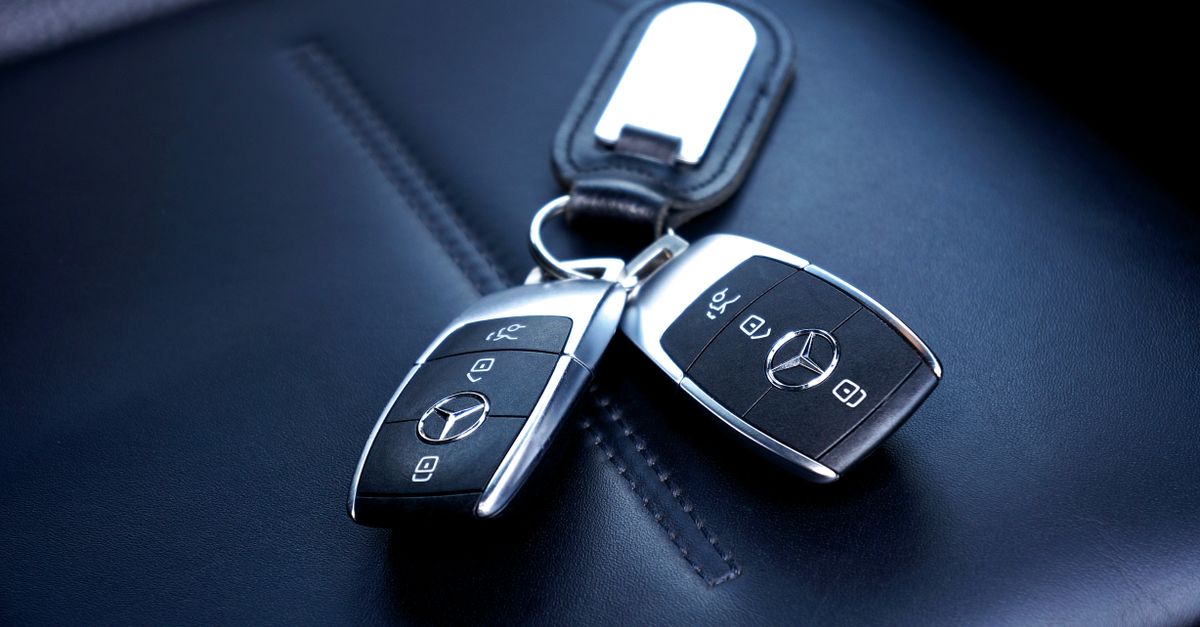
German makes — BMW, Mercedes-Benz, Audi, and Volkswagen — add another layer of complexity because their keys are often paired to the vehicle through an encrypted handshake that requires manufacturer-specific software rather than generic aftermarket tools. Hyundai, Kia, and Genesis fobs have their own distinct programming sequences, and Chevy, GMC, Buick, and Cadillac GM-family vehicles use a Passlock or PassKey III system that must be addressed correctly or the security system will disable fuel delivery. Regardless of make or model, our technicians carry the professional-grade equipment needed to match OEM specifications, so the replacement key works exactly as the original did — including all remote functions like trunk release, remote start activation, and panic alerts. If you are stranded anywhere near the Miracle Mile shopping district or parked along Northern Boulevard, call 516-217-2144 and a mobile unit will come to you.