What Makes Audi Key Replacement More Complex Than Most
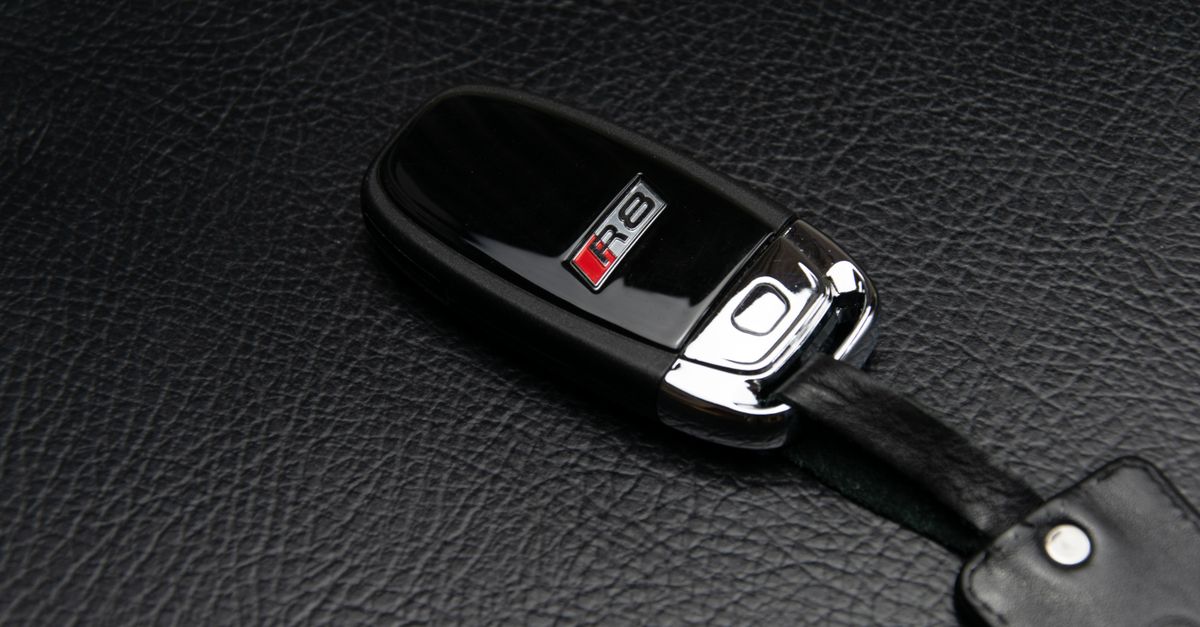
Audi uses several generations of key and remote technology, and understanding which type your vehicle uses is the first step toward a successful replacement. Older Audi models used a basic transponder key — a traditional-cut blade with an embedded microchip that communicates with the engine control unit. If the chip is absent, damaged, or unprogrammed, the immobilizer will prevent the car from starting even if the blade turns the ignition. Mid-generation Audi models introduced flip keys with integrated remote fobs for locking, unlocking, and trunk release. These require both precise laser or high-security key cutting and fob pairing to the vehicle. Newer Audi models — including current A-series, Q-series, and e-tron models — use Advanced Key proximity smart keys that allow keyless entry and push-button start. Replacing a smart key involves generating a new key shell and blade, cutting it to the vehicle's billet code, and programming the new unit to the car's on-board network. None of these steps can be done with a simple key duplicator; all require professional automotive diagnostic equipment.
Our technicians are trained specifically on Audi's immobilizer protocols and carry the software tools required to add new keys to the vehicle's system, delete lost keys for security purposes, and verify the new key operates across all functions — remote lock and unlock, panic alarm, trunk release, and engine start. This is work we perform on-site, in most cases faster than scheduling a dealership appointment and having your car towed in.